Public Destruction with No Morals
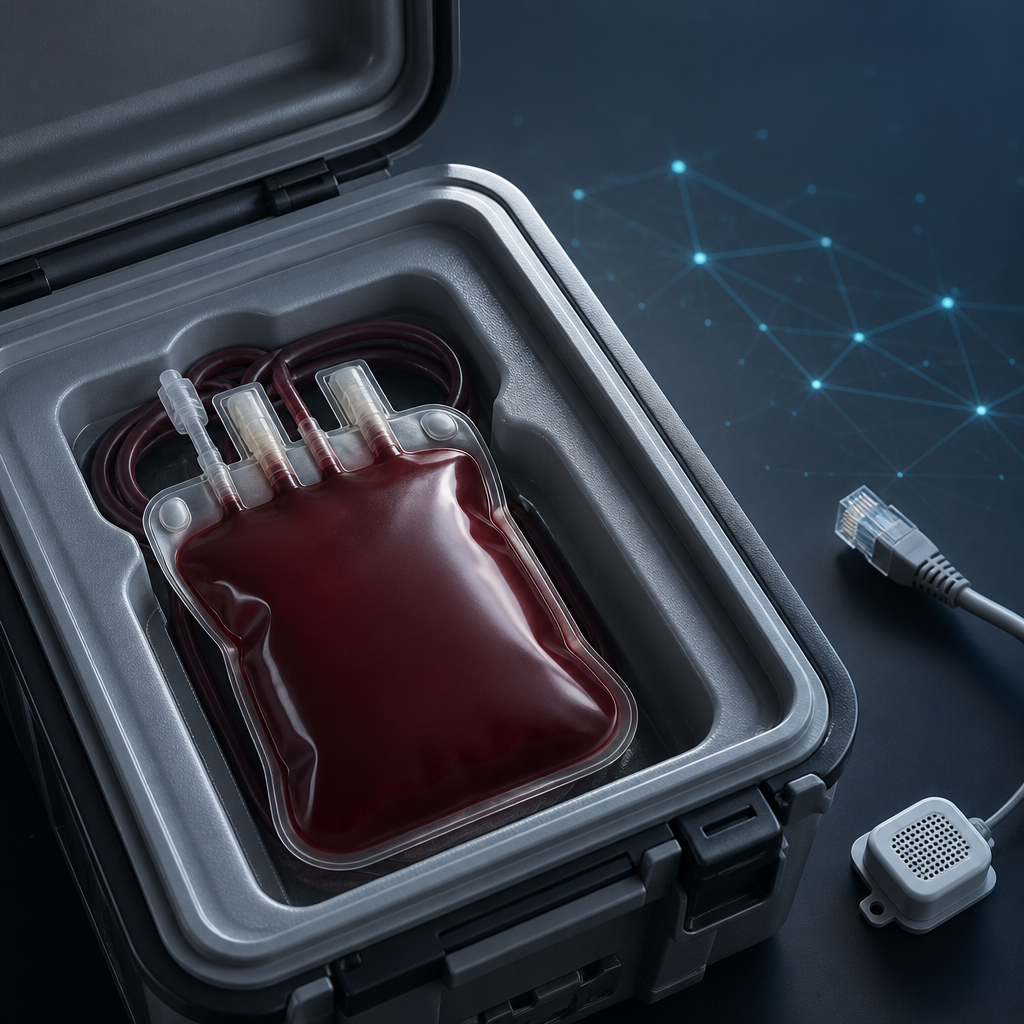
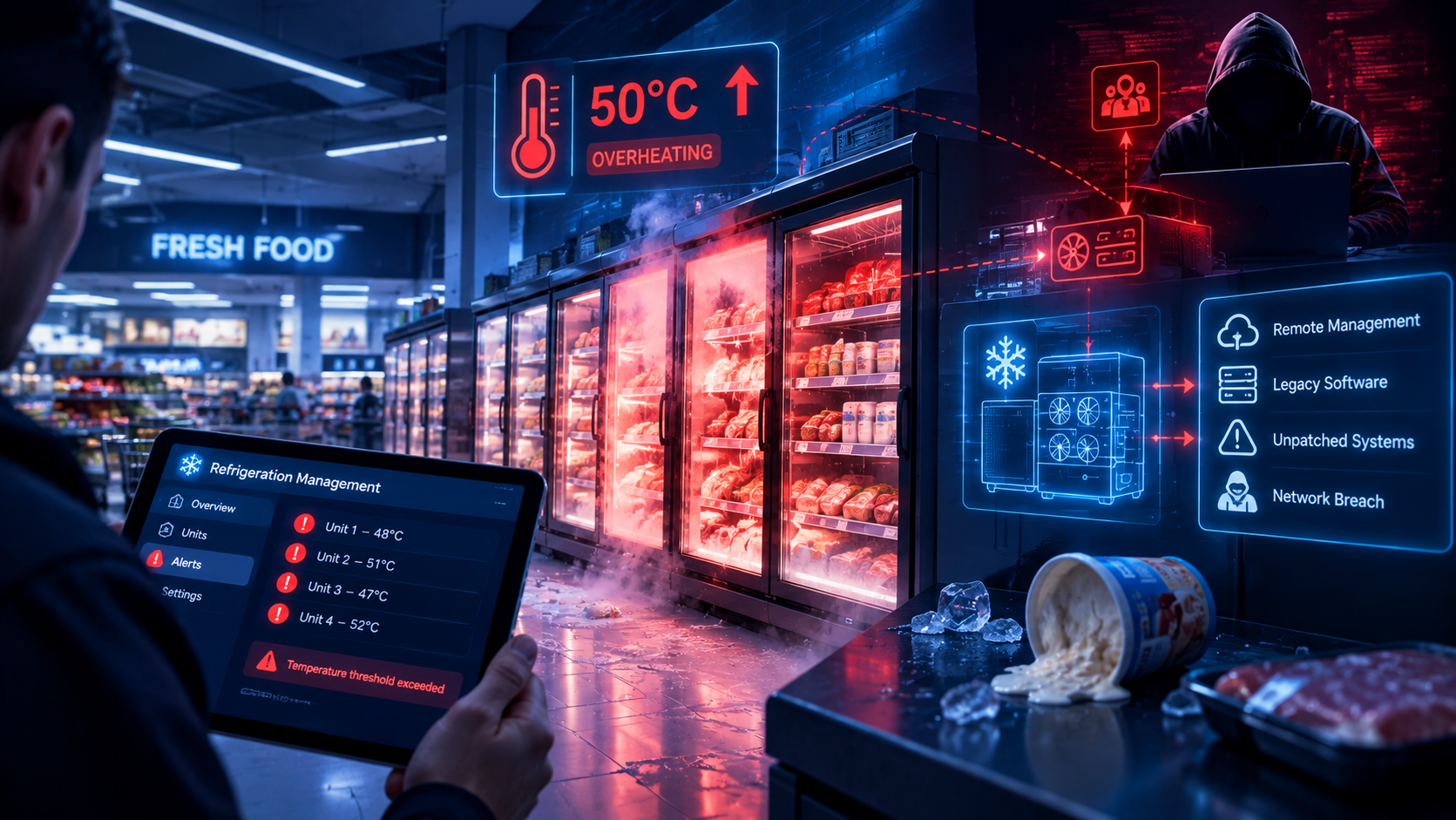
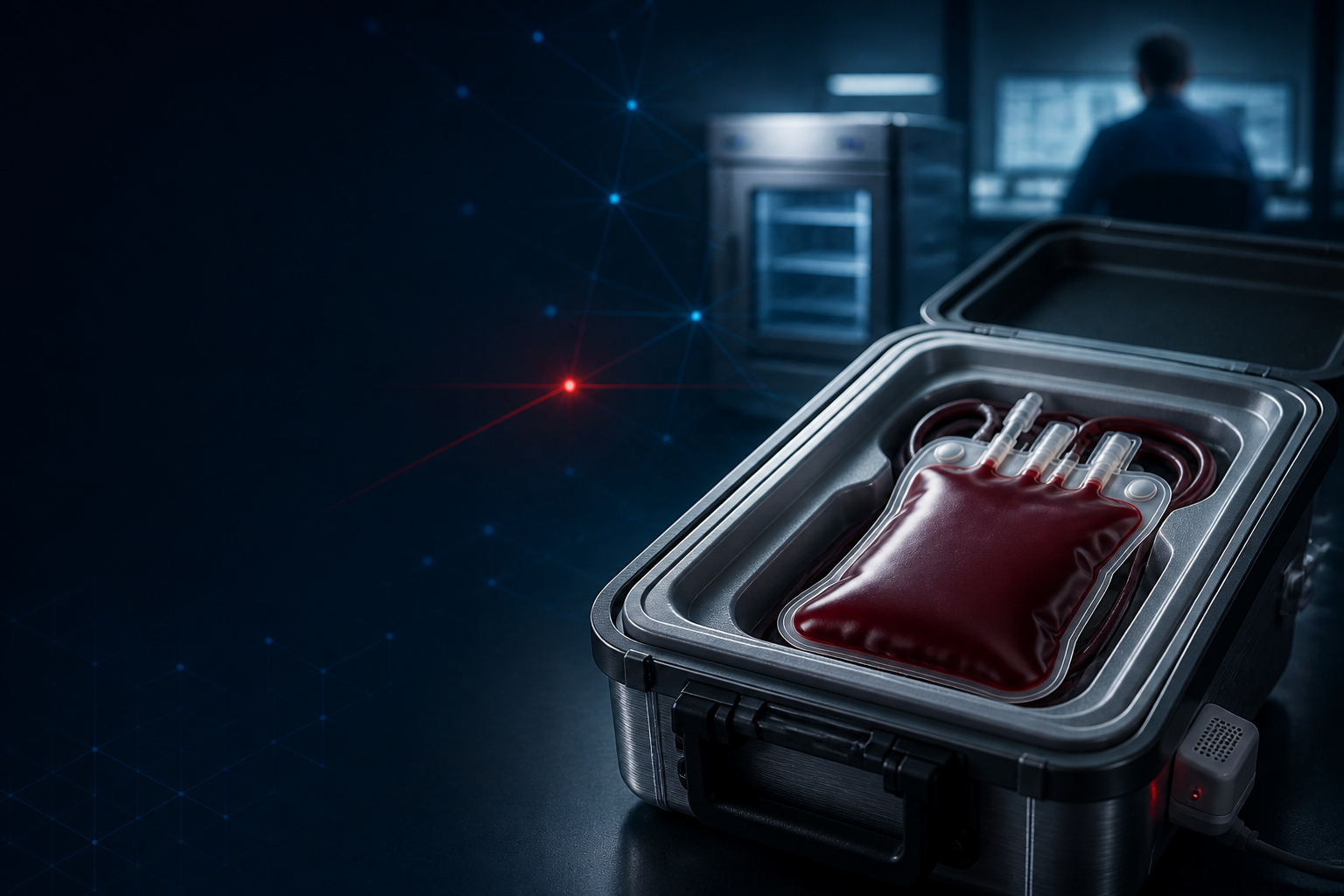
We all remember the bizarre cyberattack that caused millions in refrigerated goods to go to waste by remotely turning the fridges into ovens. Most people assumed it was a once in a blue moon situation. Not even three weeks later, we have an even more destructive and somehow more villainous attack of the same nature. On the night of November 1st, a group of attackers tried to heat freezers holding donated blood past water boiling temperatures. According to Le Canard enchaîné which first reported the incident, the attempted setpoint reached 110°C.
Similar incident, even fewer morals
The units were locked into heating mode the same way as in the previous attack. Most reports place both incidents in the same wave, but no official confirmation or evidence points to it being the same group. As much as we know, the latter was an escalated twisted inspiration of the first attack.
France’s national cybersecurity agency, CERT-FR, warned about compromised refrigeration controllers and that their management interfaces should not be connected to the internet. Since then, we somehow had two incidents involving major financial losses because of the same type of smart fridges.
What We Know, and What We Don’t
The chain of access runs through a supplier. Coolworld, the cooling service provider was the entry point, they stated that the weakness was in a component from a third-party supplier, outside its direct control, and that they are taking appropriate measures.
EFS (the French blood establishment), stated that thankfully, the number of units affected was limited, that no blood products were lost and no health consequences have been identified. The process of blood collection and distribution continues without interruption. The staff detected the abnormal temperatures in time, so no operational consequences were caused. The ministry and national cybersecurity agency are still investigating the incident.
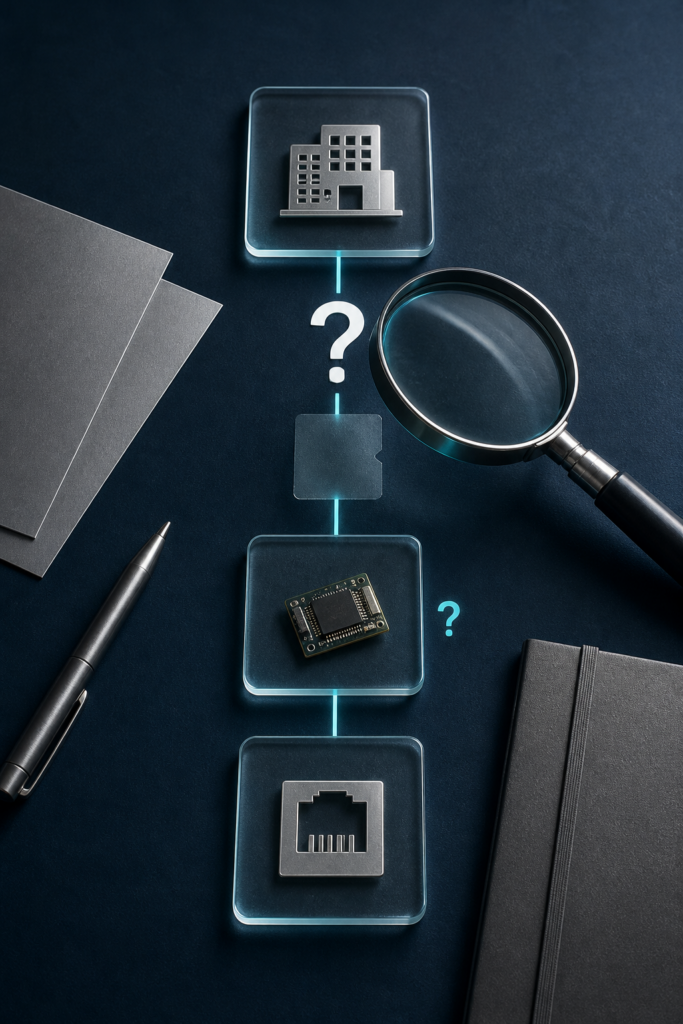
Nobody has publicly explained how the attackers got in, who they are or how many units were affected. The story for now keeps changing as it develops. Some reports are saying blood-safety monitoring samples were affected, EFS later told us that frozen plasma for transfusion was also part of the picture.
Why Blood Is a Different Kind of Target
A supermarket freezer is a financial loss, insurance and restocking can help the business recover. Frozen plasma and blood are different. They have a short shelf life and cannot be replaced at short notice. In a lot of cases the donors give it for patient care. If the temperature goes above -25°C it becomes a matter of patient safety not financial loss.
This attack just cements the lesson of the previous article. It shows just how far someone with unauthorized access will go for one reason or another. This is not a data leak it affects people’s lives in a much more literal way.
Be aware:
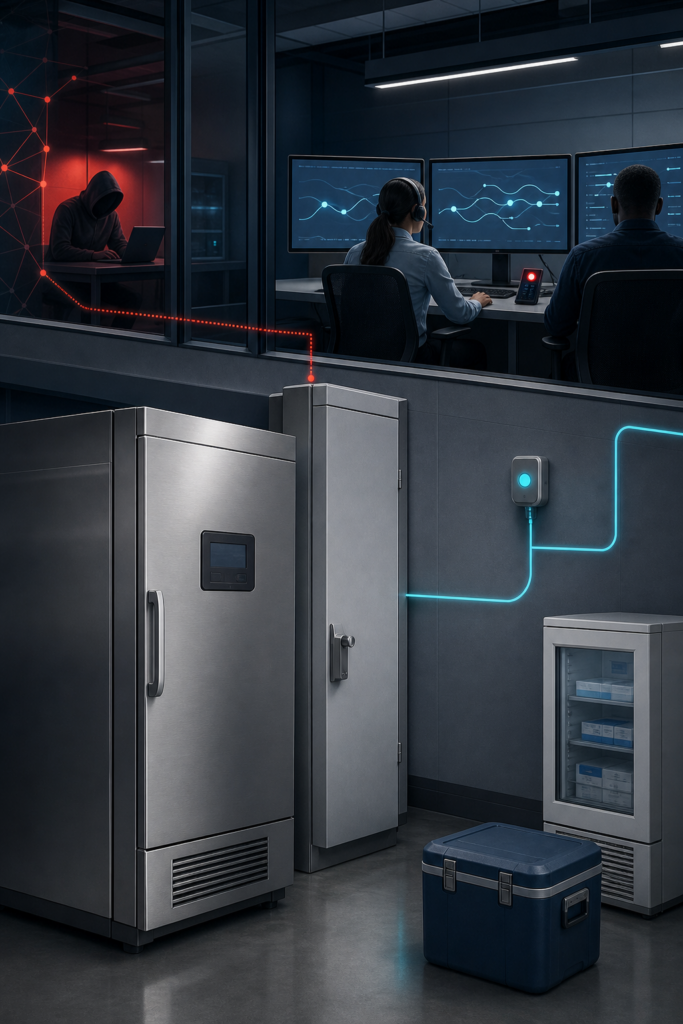
Suppliers are part of your attack surface and can end up being the vulnerability. When something goes wrong it doesn’t matter whom we blame or whose fault it is. The consequences already exist.
Hard limits should be implemented at the hardware level. Freezers storing blood have no business going to 110°C. No matter if someone over the internet asks them to. That should not be an option, period.
The alarms and sensors should run on their own network path. For sensitive goods like these, on-call escalation must work at night. Teams also need a tested manual fallback, so they know how stock is moved and where backup cold storage is. Organisations in scope of NIS2 must legally manage supply-chain security. Organisations need to keep checking whether obligations are met on a physical layer as well as the IT layer.
Remote maintenance and automation bring beneficial efficiency and are definitely not going away. What is important is how well they are built segmented and monitored. Take your organisation’s security seriously and contact us at KP Consulting so that we can review your security, supplier access and fallback plans before an unauthorised person does.